
Hurricane season is a powerful reminder that energy independence is about far more than convenience — it’s about safety, resilience, and protecting the people who matter most. At EG4, we regularly hear firsthand stories from homeowners and professionals who have experienced extended outages and learned what truly matters when the grid goes down. One of those stories comes from Dylan, who serves as EG4’s Director of Technical Marketing. His experience during Hurricane Beryl highlighted both the strengths and limitations of traditional backup power approaches, ultimately reshaping how he thinks about energy storage, cooling, and emergency preparedness. Here is Dylan’s story.
On July 8th 2024 Hurricane Beryl made landfall in Matagorda, Texas as a Category 1 hurricane before moving north over the greater Houston metro area. As the storm moved through the city, it knocked out critical electrical infrastructure leaving over 2 million Houston area residents without power.
Living in North Houston, my family and I were fortunately spared the worst of the weather brought by the storm, however the electrical infrastructure in the area will still impacted. During the storm and for the four days after, the majority of North Houston was left without electricity. I had installed a 4-kW solar array paired with 20 kWh or storage earlier in the year, which enabled my family to continue to have power during these days – a luxury many of my neighbors did not have. Despite this power, it quickly became apparent that comfort was not something we would have over the course of the outage: The 20 kWh of storage I’d installed simply could not keep up with our 4 ton HVAC working to cool our 2,400 ft2 house in the 90+ °F temperatures that followed the days after the storm.
With some strategic load management over the course of the day, I was able to conserve enough energy to almost fully recharge the batteries for the evening hours, at which point I could turn on my HVAC system to cool the home and sleep more comfortably. We were lucky to have the cooling for any amount of time; tragically multiple residents of the Houston area died from heat related complications in the days following the storm. Despite the cooling during select hours, my home was reaching the mid to upper 80 °F during the day without power.
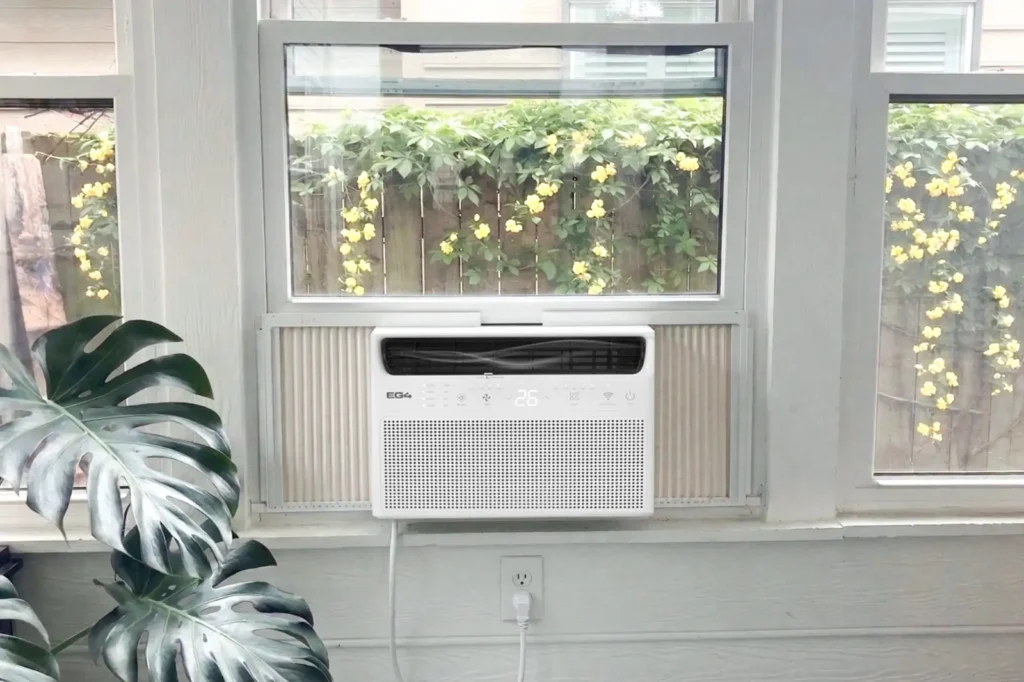
After these experiences the value of a designated cool zone in my home became apparent – an area where my family and I could go to cool off during extended power outages (such as we often see with Hurricanes and other large storms) without having to expend the kind of energy it takes to run my 4 ton HVAC and heat my whole home. We’ve since installed a high efficiency window unit in one of the areas of our home where we’d be comfortable spending time after the storm. This unit consumes ~20% the energy as compared to my 4 ton central cooling unit. From a practical perspective, that means my 20 kWh of storage can cool a targeted zone 4x longer while using the same amount of energy. While I made this purchase prior to joining the EG4 team, in the future I’ll be looking to upgrade to an EG4 hybrid mini-split unit while adding a small amount of additional PV– adding additional runtime during an outage via direct solar input and further extending my resilience in the face of an emergency situation, including heating capability during potential winter outages.
For individuals in similar outage prone locations, the value of high efficiency, targeted climate control cannot be overstated. From a day to day perspective simply deploying some strategic targeted climate control – such as in bedrooms during evening hours – can save hundreds annually versus relying on central climate control while also enabling a smaller energy storage system to operate more reliably in an emergency situation.
At EG4, experiences like Dylan’s reinforce the importance of designing energy systems that not only provide power during outages, but also maximize how that power is used. As extreme weather events continue to impact communities across the country, thoughtful energy planning can help homeowners stay safer, more comfortable, and better prepared for whatever comes next.